Developed for people with kidney disease, it also protects the heart and helps preserve overall health.
The patent held by the Fondazione Policlinico di Milano, presented at the International Livestock Fairs in Cremona, is made freely available to cheese producers.
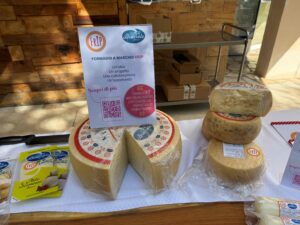
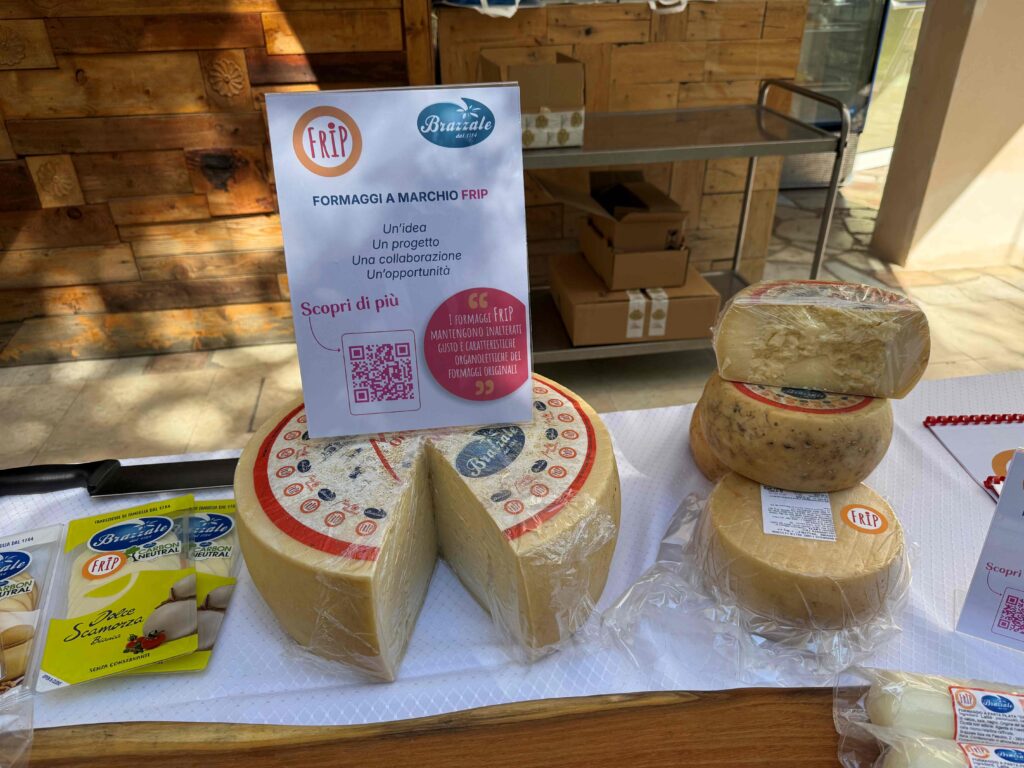
Cremona, 27 November 2026 – Made from cow’s, buffalo’s or sheep’s milk, and available in varieties ranging from mozzarella to pecorino, it tastes just like any other cheese. Yet the phosphorus it contains is not absorbed by the body, and it has 30% less salt. Its name is FriP, and it was developed for people with kidney disease, for whom cheese has traditionally been almost entirely off the menu. But it can benefit everyone, as it also helps protect blood vessels and the heart.
FriP was presented at Zootecniche Cremona International Exhibition by Gianluigi Ardissino, paediatric nephrologist at the Fondazione IRCCS Ca’ Granda Ospedale Maggiore Policlinico di Milano, who developed the product. To encourage its widespread adoption, the patent is being made freely available to cheese producers.
“It all started with an idea. When preparing bottles for babies with kidney failure, we add a dietary supplement, calcium carbonate, which traps phosphorus and causes it to precipitate, preventing it from being absorbed through the intestinal mucosa,” Ardissino explained. “This is a technique we use every day in hospital for children who cannot give up dairy products, and we have now taken it into cheese-making facilities.”
Research findings have confirmed the validity of this initial insight. In a study conducted by Policlinico di Milano involving dialysis patients, blood phosphorus levels between dialysis sessions rose by an average of 2.4 mg/dL with FriP cheese, compared with 2.8 mg/dL with conventional cheese. This was a statistically significant difference, achieved without compromising taste. Patients rated the two products equally.
A further study conducted in collaboration with the University of Parma confirmed that calcium carbonate does not interfere with the production process. In 2026, a new project funded by Italy’s National Recovery and Resilience Plan (PNRR) was launched, coordinated by Policlinico di Milano in collaboration with the Nephrology Department of Policlinico di Bari.
“There can be no prevention without starting at the dinner table,” the doctor continued, “especially when it comes to the kidneys, which act as the body’s waste-disposal system. But